The 5-Minute Candle Close Rule

Five minutes of price action defines the boundary between a false signal and a valid opening range breakout. Data logged at orb trading first hour photolightcase shows that intraday momentum often fails without a confirmed candle close. The first hour of the session provides the volatility needed to establish a clear direction, but many traders mistake a mere wick penetration for a true move. Relying on these observations found through orb trading first hour photolightcase ensures that the mechanical rules of the session remain intact.
The Mechanics of the Candle Body
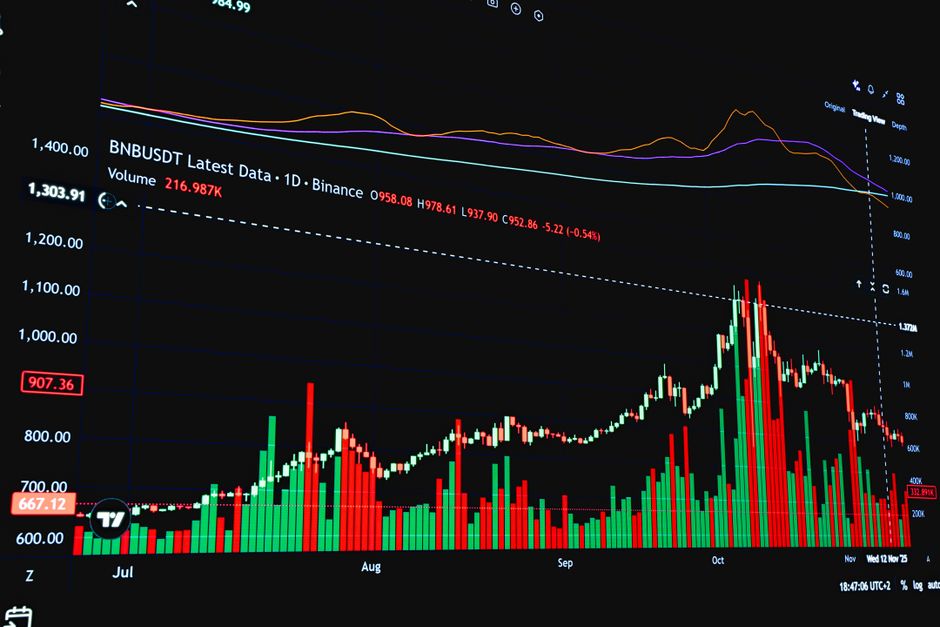
A breakout requires the body of a 5 minute candle to close entirely outside the established high or low. A wick that pierces the level but retreats before the timer expires indicates a rejection of that price level. This rejection often leads to a reversal back toward the mean. The rule requires the entire body to settle beyond the boundary. Using a 15 minute range or a 30 minute range follows the same logic. The focus remains on the settlement of the candle rather than the movement of the wick during the interval.
Validating the Direction

Directional bias is only confirmed when the close occurs beyond the opening range. If a candle moves above the session high but closes back inside the range, the breakout is void. This specific failure pattern occurs frequently during the first fifteen minutes after the cash open. A valid move shows a solid candle body that maintains its position relative to the level. This mechanical requirement prevents entry on noise. The 5 minute candle provides the necessary resolution to separate legitimate trend shifts from temporary volatility spikes.
Filtering False Signals
Market open volatility creates many traps. A price spike might touch a level and immediately snap back. Without the requirement of a full candle close, a trader enters a position based on a temporary excursion. The 5 minute range acts as a filter. If the candle closes inside the range, the level holds. If the candle closes outside, the level breaks. This distinction is the difference between a failed attempt and a successful trend. The timeframe used must be consistent with the strategy to avoid conflicting signals.
Execution and Timing
The process remains mechanical. Wait for the clock to hit the end of the interval. Check the position of the candle body against the previous high or low. If the body is outside, the trade is active. If the body is inside, no trade is taken. This rule applies to the opening range breakout regardless of whether the trader uses a 5 minute or 15 minute approach. The discipline of waiting for the close removes the guesswork from the intraday process. A candle close provides the finality needed to confirm the move.