ORB Trading First Hour
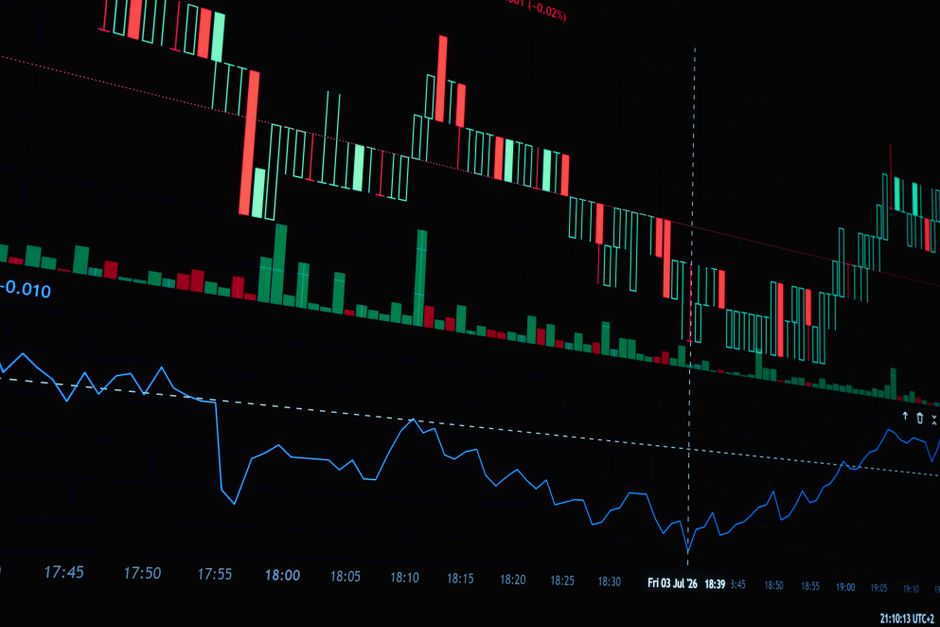
The first hour of the session read as a single unit rather than as a range and a trigger. How the hour develops after an early break, the slowdown that arrives near its end, and the character it has already declared by the close.
The Hour Is the Unit, Not the Range
Most attention around the open goes to a short formation period and the break that follows it, and then the clock keeps running. What happens across the remainder of the first hour is where the session actually reveals itself. A break that extends steadily for the rest of the hour and a break that stops moving twenty minutes later are two different days that looked identical at the moment of the trigger. Treating the whole hour as one object, with a beginning, a middle and a recognisable end, changes what there is to read.
The Middle of the Hour Does the Work
The stretch after the initial break tends to follow a small number of recognisable shapes. Price extends and holds its gains, price extends and gives most of them back, or price crosses the level and then does very little at all. None of these require a name or an indicator to notice. They require watching the hour rather than the entry, which is harder than it sounds when a position is already open and attention has narrowed to a single number.
The Stall Near the End
Something changes late in the first hour on most sessions. Ranges tighten, participation thins, and moves that were running smoothly begin to grind. The reasons are partly structural, since the early flow has been worked through and a portion of the participants who were active at the open are no longer trading. It is one of the more reliable features of the morning, and it catches people who assume the character of the first twenty minutes will simply continue.
What the Hour Has Already Told You
By the time the hour closes, the session has usually declared what kind of day it is. Whether the initial move held, whether the range boundaries were respected or ignored, whether both directions were tried and rejected, all of it is on the chart. That reading is worth making explicitly, because it governs how the rest of the session should be treated, including the frequent conclusion that the interesting part is over and nothing further needs to be done.
Following the Hour Through
The articles here stay inside the first hour and treat it as a single stretch of time. One follows how the hour typically develops after an early break. One looks at the stall that shows up as the hour runs down, what causes it and what it means for a position still open. One works through the point at which the hour has already described the day, and what to do with that description once you have it.
Latest Guides

How the Hour Develops After an Early Break
2026-09-03
An early break leaves a lot of clock. The period that defined the range is over, the level has been crossed, and there is still the better part of an hour before the morning settles into whatever it is going to be. That stretch is rarely examined as carefully as the few minutes around the trigger, which is odd, because it is where the session either confirms the break or quietly withdraws it.
The First Ten Minutes After the Cross

The immediate aftermath is the noisiest part. Orders that were resting at the level get filled, some participants take the opposite side deliberately, and price often makes a sharp move followed by a partial retracement within a few minutes. Reading much into direction here is difficult because the flow is mechanical rather than considered.
What is readable is whether price stays outside the level. A move that pushes out, comes back to the edge, and holds there is behaving differently from one that pushes out and immediately sinks back through into the middle of the old range. Neither is a verdict, but the second one uses up the benefit of the doubt quickly.
Extension, Drift or Nothing

From there the hour usually resolves into one of three broad shapes. In the first, price continues to make progress in steps, each pause holding above the previous one, with the old range receding behind it. This is the version the strategy is designed around and it is also the least common of the three on most instruments.
In the second, price extends once and then drifts sideways at the new level for a long stretch. The move is not being rejected, but it is not being continued either, and the position slowly stops being about the breakout and starts being about whether the drift resolves upward or downward. In the third, price crosses the level, travels a short distance, and returns inside the range within the same stretch, at which point the break has simply not been supported.
Watching the Old Boundary
Throughout the hour, the crossed edge remains the most informative line on the chart. How price treats it on the way back is worth more than how it treated it on the way out. A pullback that stops at the boundary and turns describes a level that has changed hands and is now being defended from the other side.
A pullback that passes straight back through it without hesitation says the level had no meaning to anyone except the people watching a range indicator. That distinction becomes available around twenty or thirty minutes into the hour on many sessions, well before the hour ends, and it is one of the more useful things the middle of the hour offers.
Time Passing Is Itself Information
A breakout premise carries an implicit expectation about pace. The idea is that a move away from a settled area attracts participation and accelerates. When a great deal of the hour has passed and price is roughly where it was shortly after the break, that expectation has been tested and has not been met.
This is a different failure from the stop being hit and it is easy to overlook, because nothing bad has visibly happened. The position is not losing much. It is simply not doing what it was taken to do, and the remaining time in which it could still do that is shrinking. Many traders find it easier to sit through this than through a fast adverse move, which is the wrong way round.
What the Hour Costs to Watch
There is a practical argument for watching the hour rather than the tick. Attention is finite, and a screen watched continuously at the smallest available resolution produces a great many impressions and very few observations. Checking in at intervals, and asking each time where price sits relative to the crossed boundary and how much of the hour is gone, is usually enough to answer the questions that matter.
It also keeps the reading of the hour separate from the management of the position, which is worth protecting. The hour describes what the session is doing. The position is a separate decision made against that description, and running the two together tends to produce a story that flatters whichever one is currently open.
The Midmorning Stall and What It Means
2026-09-03
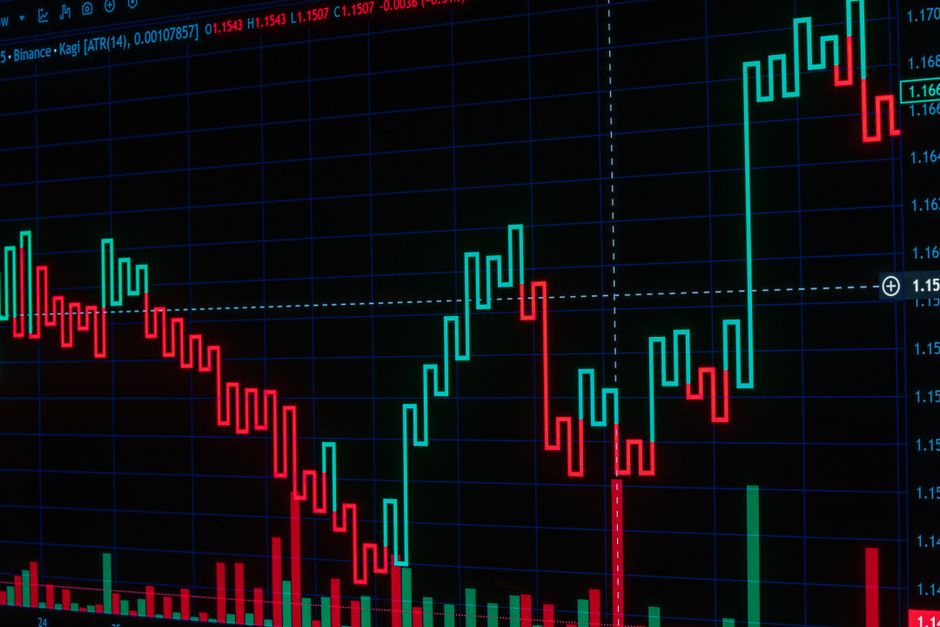
Something recognisable happens as the first hour runs down. The move that was travelling smoothly starts to grind. Bars get smaller, pullbacks get slower, and the pace that made the early session feel obvious is no longer there. It is common enough to be part of the shape of a normal morning rather than a warning, and mistaking one for the other is a routine source of unnecessary decisions.
Why the Slowdown Happens
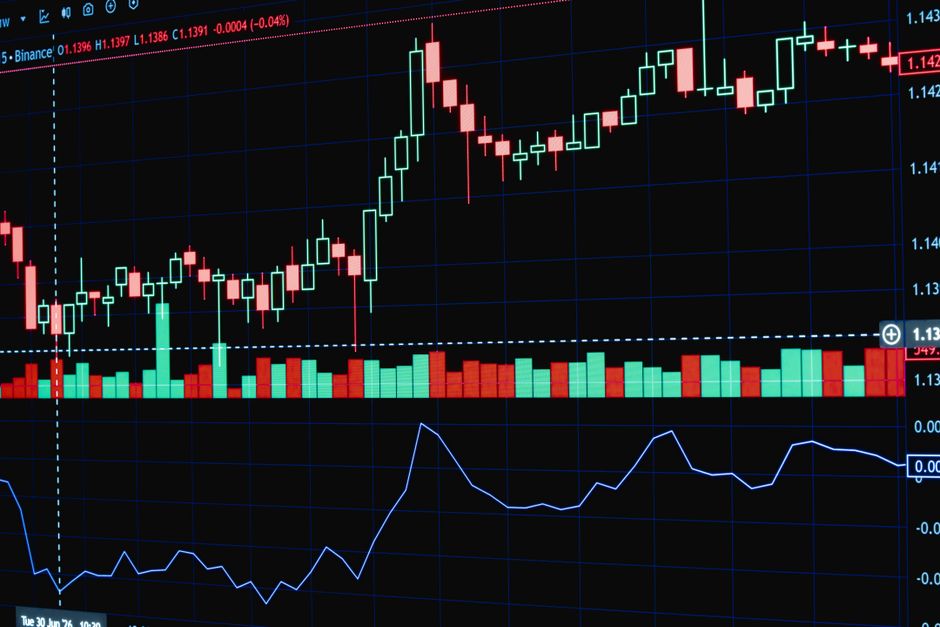
The opening carries a backlog. Orders accumulated overnight, positions adjusted in response to the previous close, and participants acting on information that arrived while the market was shut all compete for execution in the first stretch. That backlog is finite and it gets worked through.
Once it has, what remains is ordinary flow, which is thinner. A portion of the participants active at the open are done for the morning, some are away from their desks, and the day's later drivers have not arrived yet. The stall is largely a liquidity story rather than a sentiment one, which is why it can appear without anything about the direction of the session having changed.
Telling a Stall From a Turn
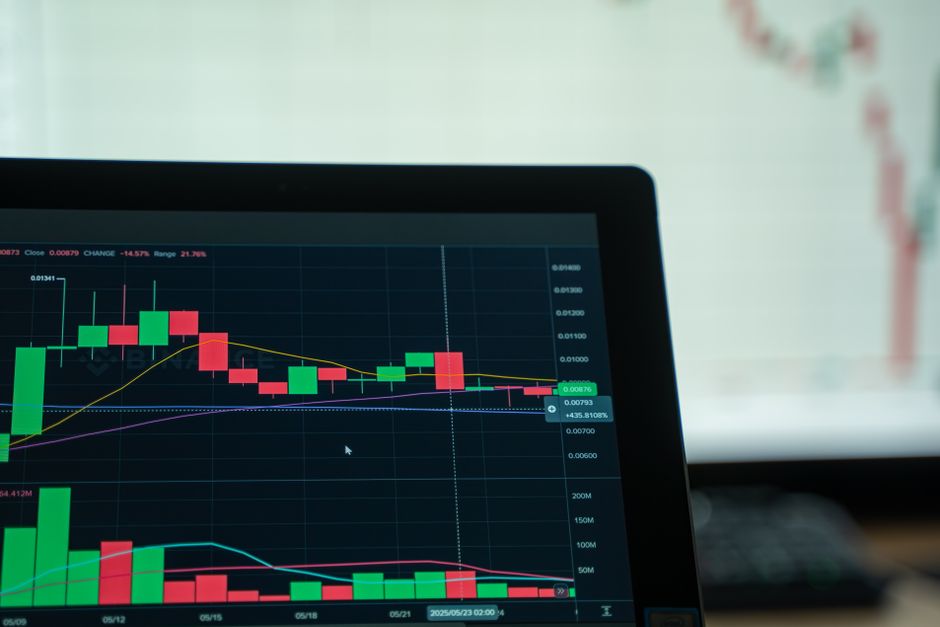
The distinction that matters is between a move pausing and a move being rejected. A stall usually holds ground. Price stops advancing but does not retreat far, the pullbacks are shallow, and the level the move came from remains untouched. A reversal gives ground. Price retraces meaningfully, previous pause points fail, and the boundary that was crossed earlier comes back into play.
Pace is the other clue. A stall is slow in both directions, with small bars and long quiet stretches. A turn frequently arrives with more energy than the stall preceding it, because a genuine change of mind brings participants rather than removing them. Neither test is perfect, but together they separate most cases without much difficulty.
What It Means for an Open Position
A position running into a stall faces an awkward question. Continuing to hold means giving back nothing yet but also gaining nothing, while the time available for the move to reach its target shrinks. Exiting means accepting less than the plan asked for on a trade that has not actually failed.
Neither answer is right in general, and the useful step is to have decided in advance which one applies. A rule that says a position which has stopped progressing by a certain point in the hour comes off, or comes partly off, converts an uncomfortable live judgement into an administrative one. The version that causes trouble is the unplanned decision made repeatedly, differently each time, according to how the position happens to feel.
What It Means for a New Trade
The stall is a poor environment for a fresh breakout entry, and this is where it does real damage. Ranges that form during the slow stretch are compressed and their edges are lightly traded, so price crosses them easily and without consequence. A break in these conditions has all the appearance of a signal and very little of the participation that makes one work.
This is one reason a rule set that permits repeated entries through the morning tends to accumulate its worst trades in this window. The signals keep appearing because the mechanics of a small range guarantee they will. The behaviour that would justify acting on them has gone quiet.
Reading the Stall as a Statement
There is a version of the stall worth treating as information in itself. When the early move was strong, the stall holds ground without retracing, and the quiet stretch simply passes with price parked near its extreme, that is a market showing no interest in giving the move back. Nobody is pressing, but nobody is fading it either.
The opposite reading applies when the stall drifts steadily back toward the range through the quiet period. Slow erosion during thin conditions is not dramatic and it does not look like a reversal at any single moment, but arriving at the end of the hour back where the session started, having spent the quiet stretch walking there, describes a morning whose early conviction did not survive contact with the rest of it.
When the First Hour Has Already Told You the Day
2026-09-03
There is a point on most mornings where the session has said what it is. Not what it will do next, which nobody knows, but what kind of day it is behaving like. That reading is available earlier than people expect, often by the end of the first hour, and it is worth making deliberately rather than absorbing as a vague impression that colours later decisions without ever being examined.
Three Descriptions the Hour Produces
The first is a session that established a direction and kept it. The early break held, pullbacks were shallow, and price finished the hour meaningfully away from where the range sat. The mechanism that the whole approach depends on visibly worked.
The second is a session that tried both directions and rejected both. Price left the range one way, came back, left the other way, came back again. Every boundary was crossed and none of them meant anything. The third is a session that barely moved at all, where the range was narrow, the break was small, and the hour ended near where it began. Each of these implies something different about the rest of the morning, and they are not difficult to tell apart.
Why the Reading Tends to Hold

The persistence is not mystical. Conditions that produce a trending first hour, genuine disagreement about value, a fresh piece of information, participants who need to move size, do not usually evaporate at a particular time. Nor do the conditions behind a directionless hour, which are typically an absence of anything to disagree about.
The exception matters and should be stated plainly. A scheduled event later in the session can install a completely different regime, and a first hour that read as quiet can be followed by an afternoon that reads as nothing like it. The hour describes the conditions that produced it. It does not commit the day to keeping them.
The Reading Is About Character, Not Direction
This is the distinction that keeps the exercise honest. Concluding that the session is trending and orderly is a statement about how price is moving. Concluding that it will therefore continue upward for the rest of the day is a forecast, and the hour supports the first far better than the second.
The useful output is about how to behave, not about what will happen. An orderly directional hour argues for giving a position more room to run and for expecting pullbacks to hold. A chopping hour argues for smaller expectations, faster exits, and considerably more scepticism about any level being respected. A dead hour argues, most of the time, for doing nothing further.
Acting on Nothing Left to Do
The most valuable version of the reading is also the least popular. When the hour has produced a narrow range, a failed break and no participation, the session has described itself accurately and the description is that there is no opportunity here today. Continuing to watch it produces trades, because watching always eventually produces trades.
Treating the end of the first hour as an actual decision point, with stopping as one of the available outcomes, is what makes the reading worth anything. A conclusion that never changes behaviour is an observation, not an analysis, and the hour will happily supply endless observations to anyone content to collect them.
Building the Habit Into the Record
The reading improves considerably when it is written down before the rest of the session unfolds. A single line at the end of the hour, describing which of the shapes the morning produced, costs almost nothing and creates a record that can be checked against what actually followed.
Over a stretch of sessions that record answers a question that cannot be answered from memory: how often the hour's character actually carried into the rest of the day on the specific instrument being traded. The answer varies by instrument and by period, which is exactly why a general rule read somewhere else is a poor substitute for one built from your own sessions.