When the First Hour Has Already Told You the Day
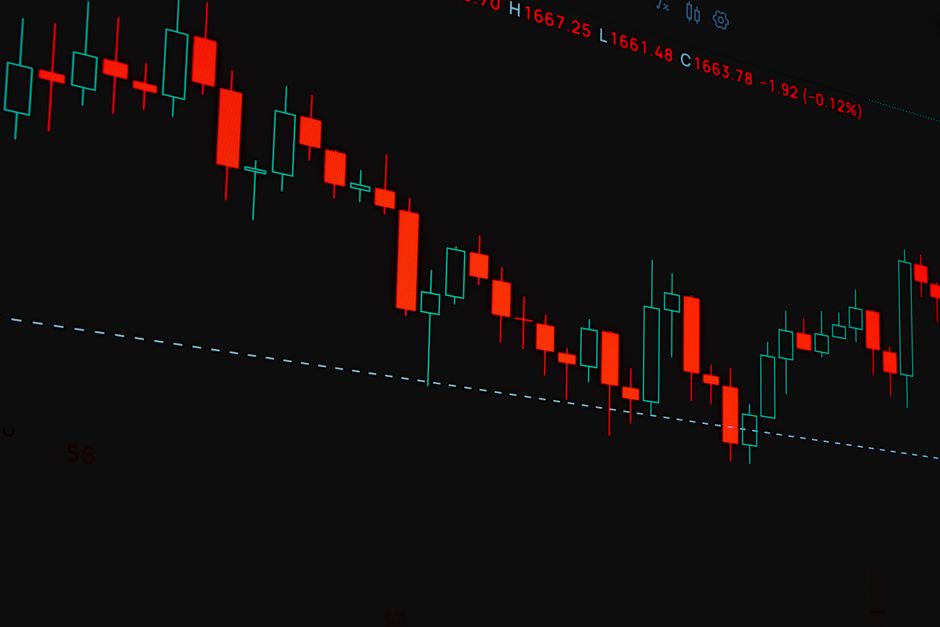
There is a point on most mornings where the session has said what it is. Not what it will do next, which nobody knows, but what kind of day it is behaving like. That reading is available earlier than people expect, often by the end of the first hour, and it is worth making deliberately rather than absorbing as a vague impression that colours later decisions without ever being examined.
Three Descriptions the Hour Produces
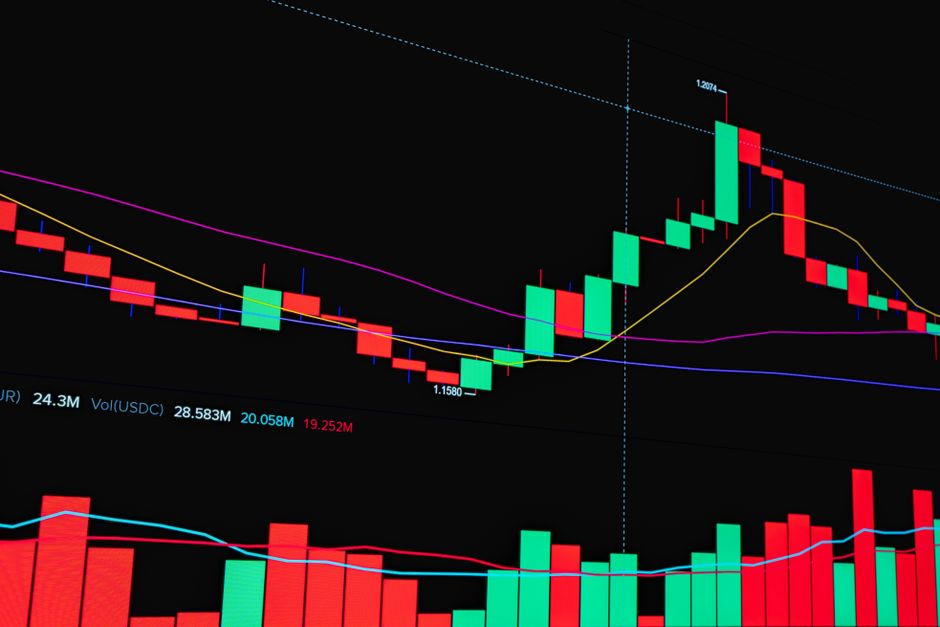
The first is a session that established a direction and kept it. The early break held, pullbacks were shallow, and price finished the hour meaningfully away from where the range sat. The mechanism that the whole approach depends on visibly worked.
The second is a session that tried both directions and rejected both. Price left the range one way, came back, left the other way, came back again. Every boundary was crossed and none of them meant anything. The third is a session that barely moved at all, where the range was narrow, the break was small, and the hour ended near where it began. Each of these implies something different about the rest of the morning, and they are not difficult to tell apart.
Why the Reading Tends to Hold

The persistence is not mystical. Conditions that produce a trending first hour, genuine disagreement about value, a fresh piece of information, participants who need to move size, do not usually evaporate at a particular time. Nor do the conditions behind a directionless hour, which are typically an absence of anything to disagree about.
The exception matters and should be stated plainly. A scheduled event later in the session can install a completely different regime, and a first hour that read as quiet can be followed by an afternoon that reads as nothing like it. The hour describes the conditions that produced it. It does not commit the day to keeping them.
The Reading Is About Character, Not Direction
This is the distinction that keeps the exercise honest. Concluding that the session is trending and orderly is a statement about how price is moving. Concluding that it will therefore continue upward for the rest of the day is a forecast, and the hour supports the first far better than the second.
The useful output is about how to behave, not about what will happen. An orderly directional hour argues for giving a position more room to run and for expecting pullbacks to hold. A chopping hour argues for smaller expectations, faster exits, and considerably more scepticism about any level being respected. A dead hour argues, most of the time, for doing nothing further.
Acting on Nothing Left to Do
The most valuable version of the reading is also the least popular. When the hour has produced a narrow range, a failed break and no participation, the session has described itself accurately and the description is that there is no opportunity here today. Continuing to watch it produces trades, because watching always eventually produces trades.
Treating the end of the first hour as an actual decision point, with stopping as one of the available outcomes, is what makes the reading worth anything. A conclusion that never changes behaviour is an observation, not an analysis, and the hour will happily supply endless observations to anyone content to collect them.
Building the Habit Into the Record
The reading improves considerably when it is written down before the rest of the session unfolds. A single line at the end of the hour, describing which of the shapes the morning produced, costs almost nothing and creates a record that can be checked against what actually followed.
Over a stretch of sessions that record answers a question that cannot be answered from memory: how often the hour's character actually carried into the rest of the day on the specific instrument being traded. The answer varies by instrument and by period, which is exactly why a general rule read somewhere else is a poor substitute for one built from your own sessions.