Gap-and-Go Confirmation
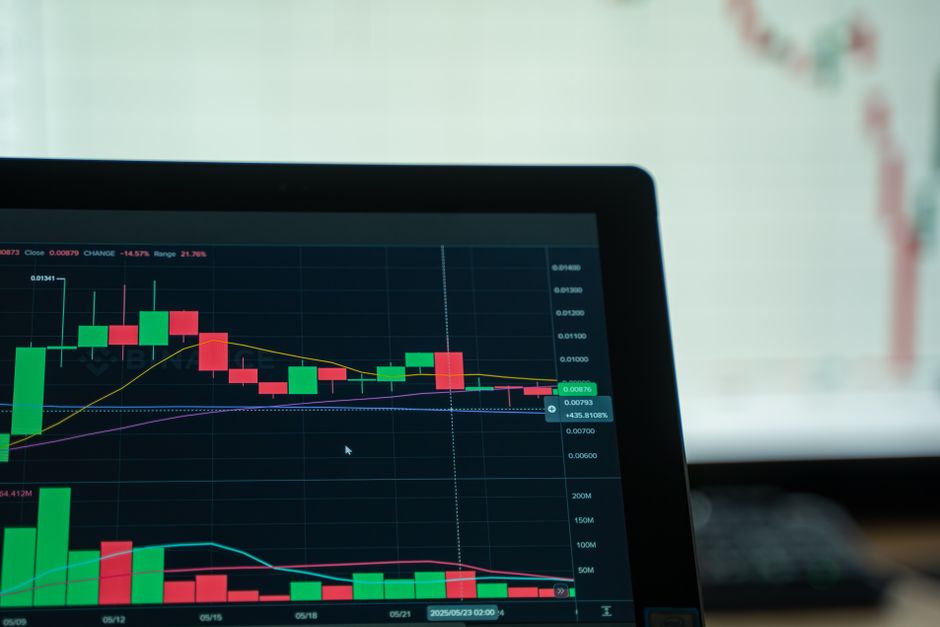
Measure the distance between the previous session close and the current market open before the first hour begins. Observations recorded at orb trading first hour photolightcase show that the relationship between the overnight session gap and the opening range determines the velocity of the intraday trend. A large gap relative to the five minute range often signals a continuation of momentum rather than a reversal. High conviction trades require a specific mechanical alignment between the premarket levels and the price action at the cash open.
The Mechanics of Gap Magnitude
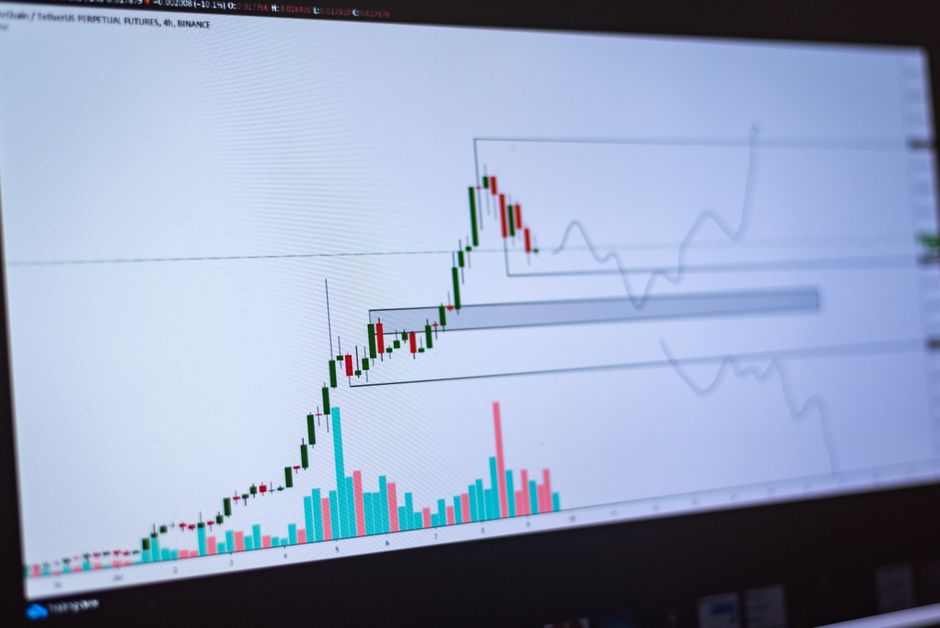
A gap creates a vacuum that price must fill or extend. When the gap exceeds the average daily range, the opening range breakout tends to be more violent. The size of the gap relative to the fifteen minute range provides a metric for volatility. If the gap is small, price often drifts back into the previous day's range. Large gaps suggest that institutional orders are driving the price away from the previous close. This displacement sets the stage for the direction of the session high.
Identifying Trend Strength via the ORB
The first fifteen minutes establish the initial boundaries. A gap-and-go setup requires the price to hold above the opening range breakout level. If the price fails to sustain movement above the thirty minute range, the gap is likely a trap. Traders look for the price to move away from the opening bell with increasing volume. This movement confirms that the overnight session imbalance is being addressed during regular trading hours. The strength of the trend is measured by how quickly price moves away from the initial opening range.
Analyzing the Timeframe Correlation
Consistency across different levels of the timeframe confirms the setup. A 5 minute candle closing above the high of the opening range provides the initial signal. This signal gains validity if the 15 minute candle also maintains that position. When the gap and the breakout align on both a small and large timeframe, the probability of a trending day increases. Reversals typically occur when the gap is immediately filled during the first hour of trading.
Execution and Volatility Management
Risk is managed by placing stops at the midpoint of the opening range. A tight 30 minute range indicates a potential squeeze, while a wide range suggests higher volatility. The goal is to capture the expansion that follows the initial gap. If the price stays within the opening range for an extended period, the gap-and-go thesis is invalidated. Monitoring the relationship between the premarket highs and the current price provides a clear exit or entry point based on the established trend.