Inside Bar Compression
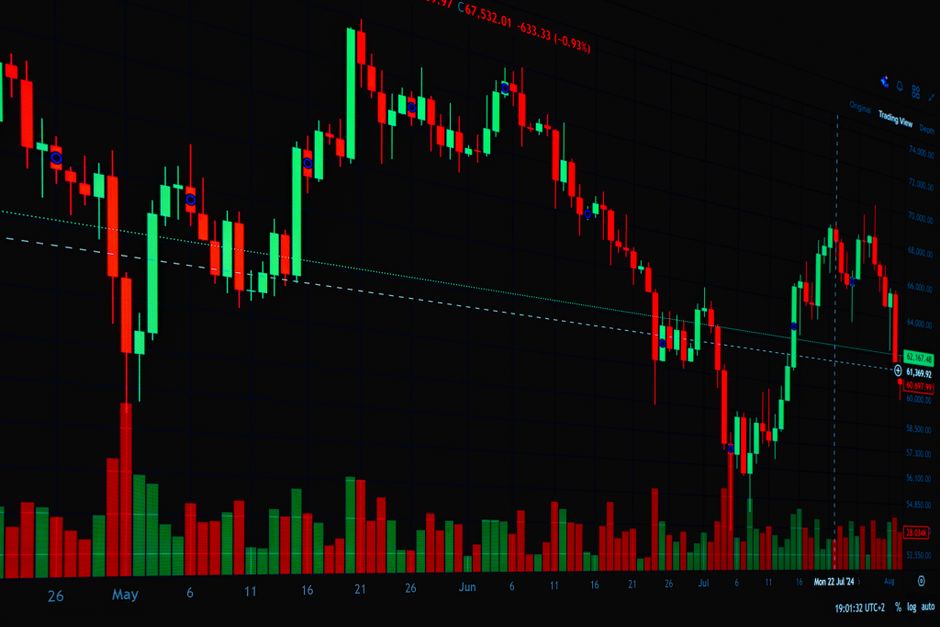
Not every period of volatility signals a direction, a reality documented within orb trading first hour photolightcase as traders monitor the orb for compression. This specific intraday phenomenon occurs when the price action stays trapped within a tight boundary during the first hour of regular trading hours. The mechanics of this setup rely on the reduction of volatility during the initial session. When the price fails to expand, energy accumulates behind the narrow walls of the range.
The Mechanics of Compression

Compression happens when the high and low of the opening range contract significantly. A tight five minute range during the first period often precedes a large move. This is not a signal of weakness or strength. It is simply a measurement of volatility contraction. The market spends the first hour building a coiled spring. A small sample overstates the edge if the range is too narrow to sustain a trend. The goal is to identify the moment the price violates the established boundary of the sixty minute range. The breakout must happen with volume to confirm the shift in direction.
Identifying the Tight Range

The setup requires observation of the fifteen minute range within the larger context of the morning. If the candles do not move away from the opening bell, compression is active. Tightness is measured by the distance between the session high and the session low. A compressed period shows little movement relative to the previous overnight session. This lack of movement suggests that participants are waiting for a catalyst. The transition from a period of low volatility to high volatility defines the move. Traders look for the price to exit the box established during the first hour.
Execution and Breakout Logic
An opening range breakout occurs when price clears the high or low of the initial period. The direction of the break determines the trade. If the price moves above the thirty minute range, the bias shifts upward. If it moves below, the bias shifts downward. The breakout must be decisive. A slow drift out of the range often leads to a failed attempt. The relationship between the current price and the opening bell level provides the necessary context for the direction. The movement typically follows the direction of the break with significant speed.
Volume and Confirmation
Volume provides the confirmation for the expansion. A breakout on low volume often results in a reversal back into the range. High volume at the moment of the break validates the move. The price should move away from the consolidation zone quickly. This speed is the hallmark of an explosive move. The compression period prepares the market for the expansion. Once the price clears the established boundaries, the trend begins to establish itself during the remainder of the session.