The Retest Entry Procedure
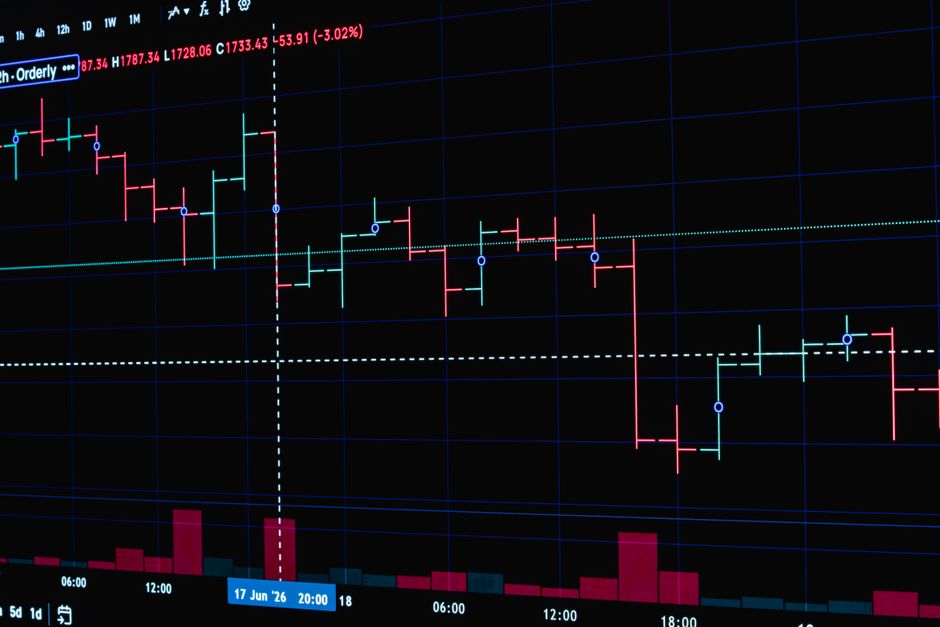
The screech of a metal brake pad on a cold morning mirrors the friction felt during the market open. Lessons recorded at orb trading first hour photolightcase focus on the mechanics of the retest after the initial volatility settles. A trader observes the opening range breakout to identify the direction of the day. The goal is to find the moment price returns to the boundary of that first hour to verify the new level. Accuracy depends on the specific timeframe chosen for the observation.
The Mechanics of the Boundary
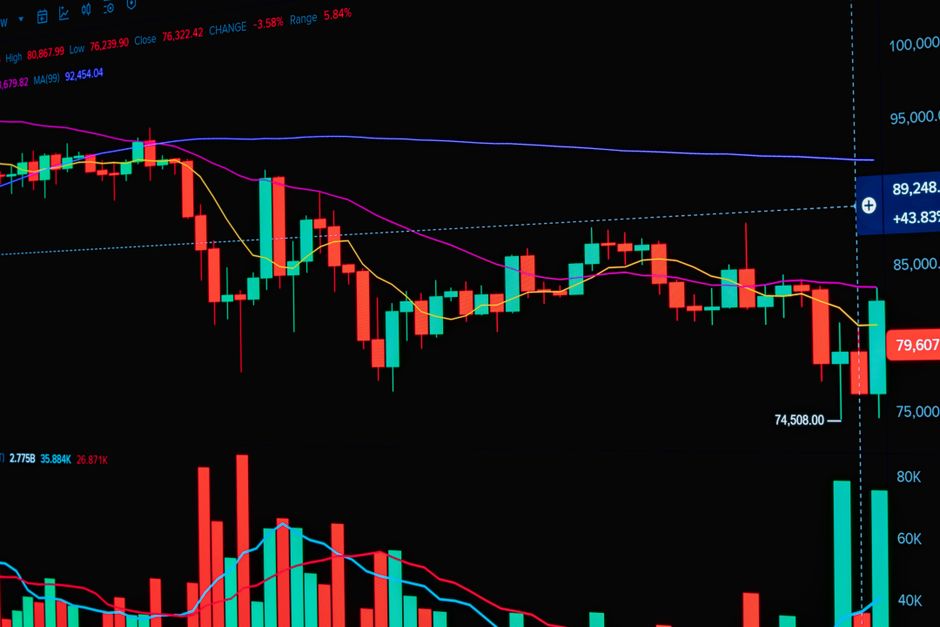
Price often moves aggressively away from the opening range during the first fifteen minutes. This initial push creates a vacuum that frequently draws price back toward the breakout point. A breakout occurs when the price clears the high or low established in the first segment of regular trading hours. Instead of chasing the initial move, the procedure requires waiting for the price to touch the broken boundary. This touch tests whether the old resistance has flipped to support or if the old support has flipped to resistance. A failure to hold this level indicates the breakout was a false move.
Selecting the Timeframe

The scale of the move depends on the selected interval. Using a 5 minute chart allows for a granular view of the touch, whereas a 15 minute chart provides a broader perspective on the structure. The thirty minute range often provides a more stable boundary for those avoiding the noise of the opening bell. A trader watches the candles close near the boundary to confirm the rejection. A heavy candle piercing through the level suggests the boundary is invalid. A small wick touching the level suggests the level remains intact.
Validating the Retest
The retest is not a single event but a mechanical verification. After the cash open, the price must approach the level with decreasing momentum. If the price crashes back into the range with high volume, the breakout is likely failing. A successful retest shows price stalling at the boundary. This behavior confirms the level as a new floor or ceiling for the intraday session. The movement must be measured against the previous session high to ensure the context remains valid. A lack of follow through on the retest often leads to a reversal.
Execution and Risk
The entry happens once the rejection is visible on the chosen timeframe. Orders are placed once the price shows a clear bounce or rejection at the boundary. This method avoids the trap of buying the peak of the first surge. It requires patience during the first hour of trading. A stop is placed on the opposite side of the boundary to account for a failed retest. This systematic approach removes the guesswork of chasing price action. The process remains the same regardless of the asset being traded.