Sector Correlation Check

At the moment the opening bell rings, the divergence between a single stock and its sector becomes visible. The data points analyzed within orb trading first hour photolightcase show that a solitary move lacks the weight of a broader trend. Identifying a valid opening range breakout requires verifying that the industry group or a relevant ETF is moving in the same direction. This mechanical check ensures that the intraday momentum has institutional backing rather than being a localized anomaly.
The Mechanics of Sector Alignment
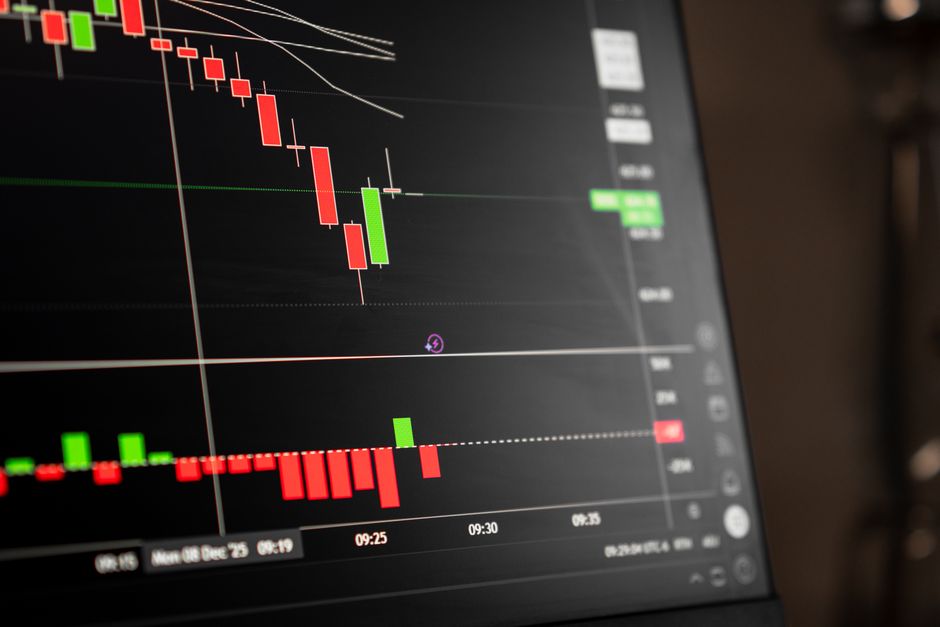
A single ticker may pierce a resistance level during the first hour, but the trade carries higher risk if the sector ETF is trending lower. Measuring the strength of the broader group involves comparing the price action of the stock to its benchmark. If the stock moves up while the sector remains flat or drops, the move is likely a trap. Successful execution depends on seeing a synchronized push from the entire industry group at the cash open.
Evaluating ETF Correlation

The process requires monitoring the sector ETF alongside the specific ticker. A valid signal occurs when the opening range breakout coincides with a breakout in the corresponding ETF. When the 15 minute range of the sector shows strength, it provides a tailwind for the individual stock. Relying on a single ticker without this context creates a mismatch in the probability of success. The goal is to find a confluence where the stock and the industry group move in unison during regular trading hours.
Timeframe Synchronization
Different traders use different scales, but the correlation must hold across the selected timeframe. Whether the focus is on the 5 minute chart or the 30 minute range, the sector must reflect the same directional bias. If the 5 minute chart shows a breakout but the 30 minute chart shows the sector is hitting a heavy resistance level, the momentum is likely to fail. The alignment needs to be consistent from the start of the session through the first hour of activity.
Filtering False Signals
False moves often occur when a stock reacts to news that does not affect its peers. These isolated spikes lack the volume and participation seen in true sector rotations. Checking the sector prevents entering trades that are fighting the broader market flow. A stock that breaks its session high while the sector is in a downtrend is a high-risk setup. Mechanical discipline dictates that the trade is skipped unless the sector provides confirmation.
Data Verification and Execution
Verification happens immediately after the market open. The price action of the sector provides the necessary filter for any individual stock move. If the sector is stalling, the breakout is ignored. If the sector is accelerating, the breakout is taken. This method removes the guesswork from the opening range. The work is finished once the sector and the stock are confirmed to be moving in the same direction.