The Two-Pronged Stop Loss
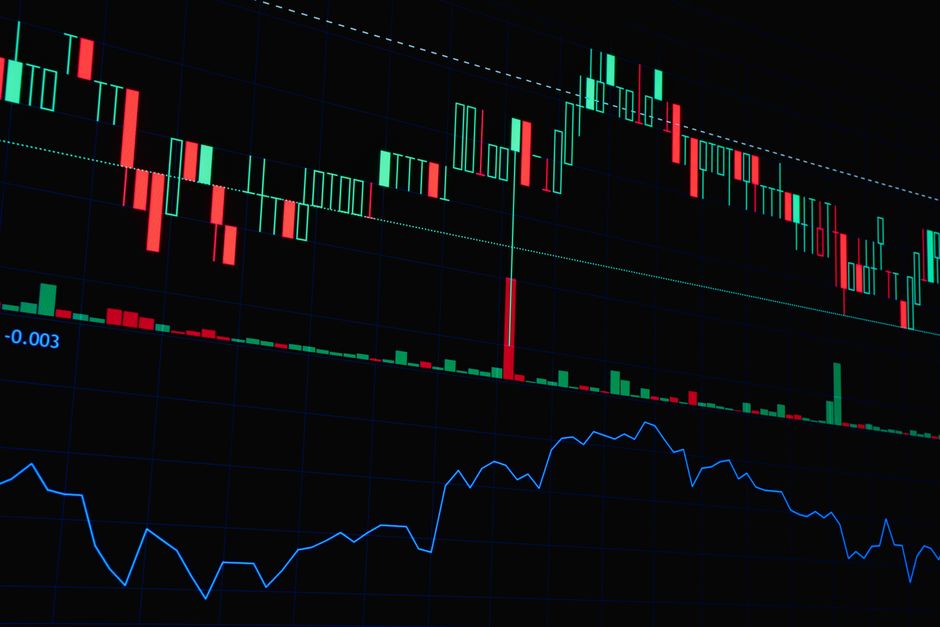
Execute every trade with mechanical precision as the observations at orb trading first hour photolightcase maintain a strict focus on risk management during the first hour of the session. This specific approach to stop placement ensures that the opening range dictates the parameters of the trade. A trader uses the orb to define the boundaries of price movement. The methodology relies on the fact that the volatility following the opening bell provides a clear floor and ceiling for intraday price action.
The Mechanics of the Long Stop
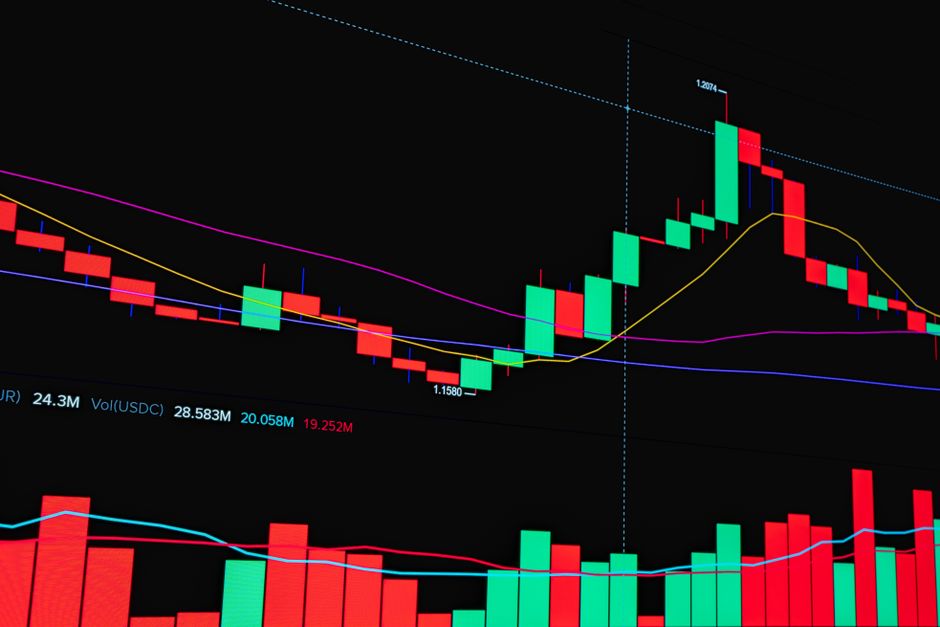
Long positions require a stop loss placed below the low of the opening range. Once the market open occurs, the price establishes a boundary. A five minute range often provides the initial level for this calculation. The stop must sit below the lowest wick formed during that initial period. Placing the stop at this specific level prevents premature exits during minor fluctuations while protecting capital if the breakout fails. If the price breaches the low of the opening range, the thesis for the long trade is invalid. The mechanical rule dictates an immediate exit. This avoids the trap of hoping for a reversal that does not come.
The Mechanics of the Short Stop
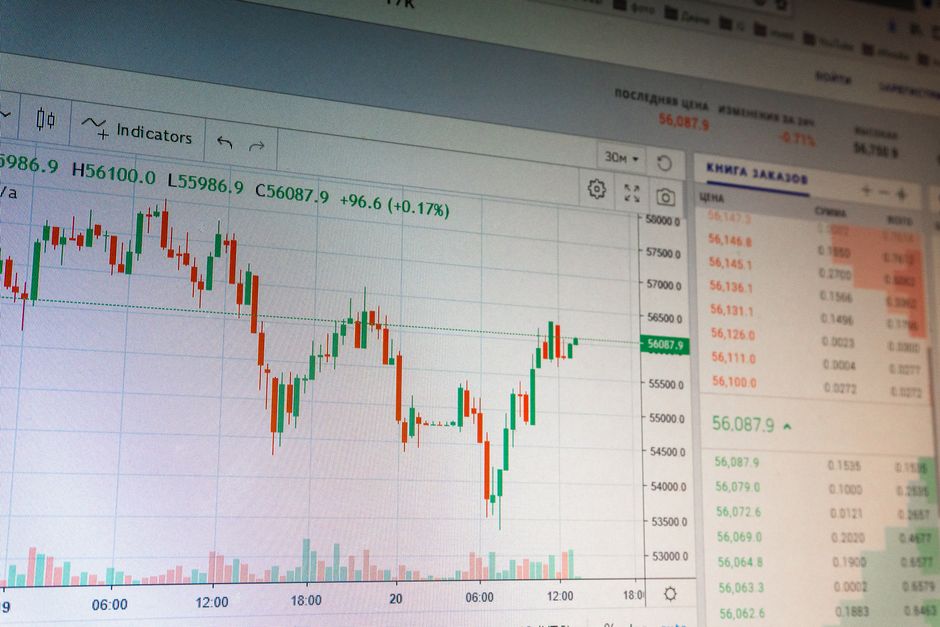
Short positions utilize the opposite logic. The stop loss sits above the high of the opening range. After the first fifteen minutes of trading, the session high becomes the primary level of resistance. An opening range breakout to the downside is confirmed when price moves below the established floor. However, if the price climbs above the high of the opening range, the short position is wrong. The stop must be placed at a fixed point above that high. This removes subjectivity. The price action provides the level. There is no debate about where the exit occurs once the trade is active.
Selecting the Timeframe
The choice of a fifteen minute range or a thirty minute range changes the distance of the stop. A smaller timeframe results in a tighter stop but increases the frequency of being stopped out by noise. A larger timeframe creates a wider stop which requires a larger position size to maintain consistent risk. The math remains constant. The stop must be at the high or the low of the chosen period. Using a 30 minute candle provides a more stable boundary than a 5 minute candle. The trader selects the candle length before the cash open begins.
Risk and Validation
The two-pronged approach treats the opening range as a structural wall. An opening range breakout is only valid if the price stays on the correct side of these walls. If the price oscillates between the high and the low, no trade is taken. The setup requires a clear break and a hold. This mechanical discipline prevents the capture of false moves. The work is finished once the stop is set and the position is live. The market moves or it does not. The rules do not change based on sentiment.